 Into The Music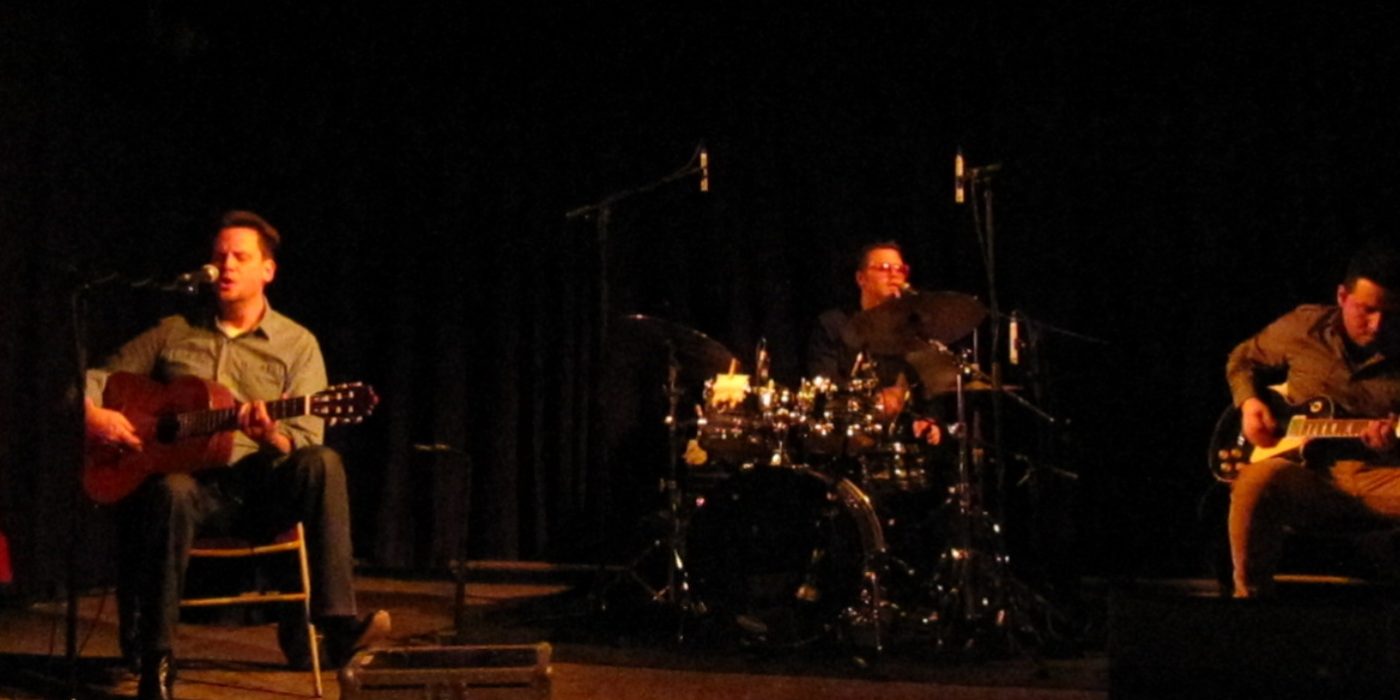
The cancellation of a Sun Kil Moon show in Halifax this week might have seemed like a localized story, but it reflects a much larger, ongoing tension in the music industry. When the Seahorse Tavern pulled the plug on Mark Kozelek’s scheduled September performance, citing public backlash, they weren’t just reacting to a few angry emails. They were navigating the complex moral landscape of “separating the art from the artist” in a post-2020 world.
The controversy surrounding Kozelek is well-documented. Multiple accusations of sexual misconduct, spanning decades of his career, came to light in 2020 and 2021. While Kozelek has consistently denied the allegations, the weight of the testimony has left a permanent mark on his reputation. For years, the industry seemed unsure of how to handle his continued presence. Some festivals quietly stopped booking him, while other venues maintained the status quo. The Halifax cancellation signals a shift where the community, rather than just the industry gatekeepers, is taking the lead.
The venue’s apology for the initial booking, calling it a “misstep,” is a stark admission of the changing climate. It highlights a growing expectation that venues must be more than just rooms for rent; they are expected to be stewards of safety and community values. This isn’t about “cancel culture” in the abstract; it’s about the tangible consequences of loss of trust. As Sun Kil Moon continues to tour, every booking becomes a potential flashpoint. The situation raises difficult questions about redemption, accountability, and whether certain bridges, once burned, can ever be rebuilt. In the end, the Halifax incident reminds us that in 2026, the audience’s memory is long, and their tolerance for silence is shorter than ever.