 Into The Music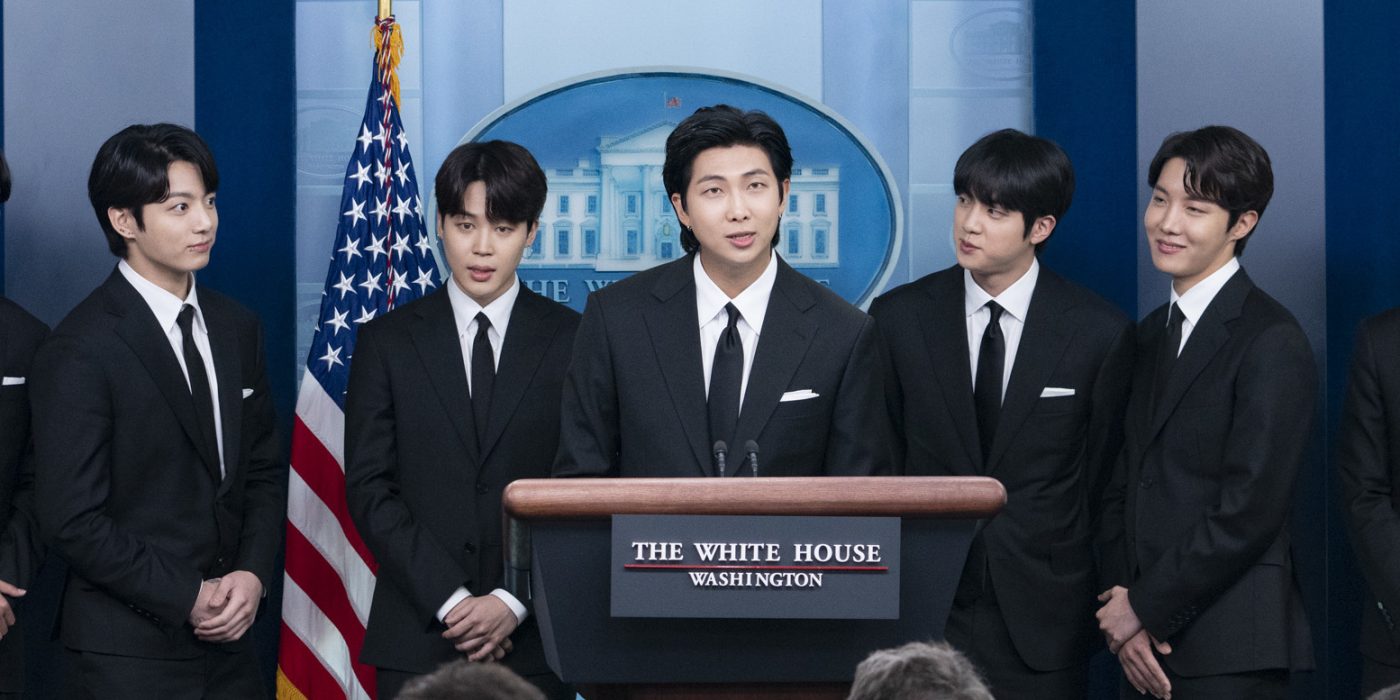
BTS’s return this week isn’t just a pop story. It’s the most high-profile example of something that fundamentally shapes K-pop as an industry: South Korea’s mandatory military service requirement for male citizens, which has no real equivalent in Western pop, and which reshapes careers, timelines, and fanbases in ways that the industry has learned to manage but never quite solved.
Every major K-pop boyband built around male members eventually hits this wall. Members typically serve 18 to 21 months, and when a group’s service is staggered across multiple members over multiple years – as happened with BTS – the effective hiatus can extend to several years. BIGBANG, EXO, SHINee, and dozens of others have navigated versions of this same interruption. Some came back diminished. Some returned to audiences that had moved on. Some, like BTS, return to even greater commercial scale than they left.
The machine adapted. Entertainment companies now build military schedules into long-term planning. They release compilation records, solo projects, and documentary content during hiatus periods to maintain fan engagement. Fan clubs mobilize support campaigns. Social media keeps the emotional connection alive in a way that would have been impossible for earlier generations of Korean artists navigating the same requirement.
But the machine can’t fully account for what actually happens to people. BTS members used their service years to write. To process. To exist as private individuals for the first time in their adult lives. The result – Arirang, with its folk song namesake and its searching, uncertain energy – sounds like music made by people who were genuinely changed by the time away. Whether that change translates commercially is the open question, but it’s the more interesting one.
The real tension in K-pop’s military service narrative is between the industry’s need for continuity and an artist’s need for the kind of disruption that actually produces growth. The industry wins most of the time. With BTS, the disruption may have won. Arirang doesn’t sound like a product engineered for maximum comeback impact. It sounds like seven people still figuring out who they are. That’s unusual in any music industry context, and it’s especially unusual in one as systematically controlled as K-pop.
What happens next will tell you something about whether the K-pop model can accommodate that kind of artistic ambiguity at the industry’s highest level. The answer will matter beyond Korea’s borders – K-pop is now genuinely global, and how it handles its military service reality is a question that shapes what kind of art it’s capable of producing long-term.