 Into The Music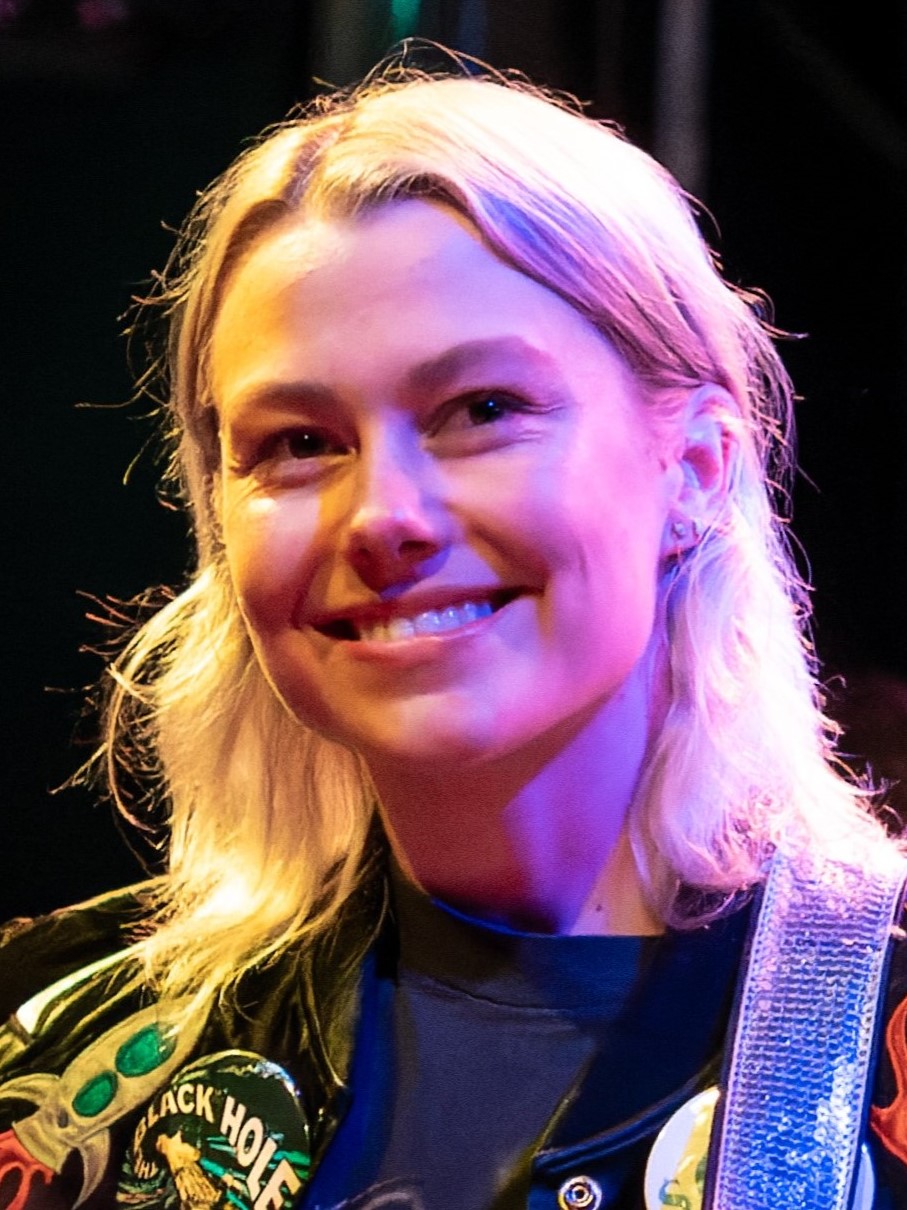
Phoebe Bridgers arrived fully formed. Her 2017 debut, Stranger in the Alps, didn’t sound like a first album. It sounded like the work of someone who had already spent years figuring out exactly what they wanted to say and exactly how to say it. That kind of clarity in a debut is rare enough to be alarming.
What Bridgers does is deceptively simple: she writes folk-adjacent songs about grief, distance, anxiety, and loneliness, and she writes them in images so specific they feel like memories you’ve borrowed from someone else. The specificity is the mechanism. She doesn’t tell you what to feel – she shows you a particular thing, like a dead star or a Halloween costume or a hospital room, and the feeling arrives on its own.
Her 2020 album Punisher is the record she’ll be measured by for a long time. It is a great album by any standard – emotionally precise, sonically beautiful, lyrically devastating in ways that accumulate rather than announce themselves. Savior Complex, Garden Song, Moon Song, Funeral – these are songs that have already embedded themselves in the emotional vocabulary of a generation of listeners who found them at exactly the right or wrong moment in their lives.
She is also, almost despite herself, a figure. The skeleton suit. The guitar smashing at SNL. The boygenius supergroup with Julien Baker and Lucy Dacus, which produced music that felt like three separate imaginations recognizing each other. Her instinct for collaboration – she has a gift for making the people around her sound better – is as distinctive as her songwriting.
Bridgers exists at the intersection of indie folk and something that has no clean genre name – music that is fundamentally about interiority, about the experience of being in a body and a mind and a world, all at once. She makes it sound inevitable. It isn’t. It takes tremendous craft to make craft disappear, and she has always had more than enough.