 Into The Music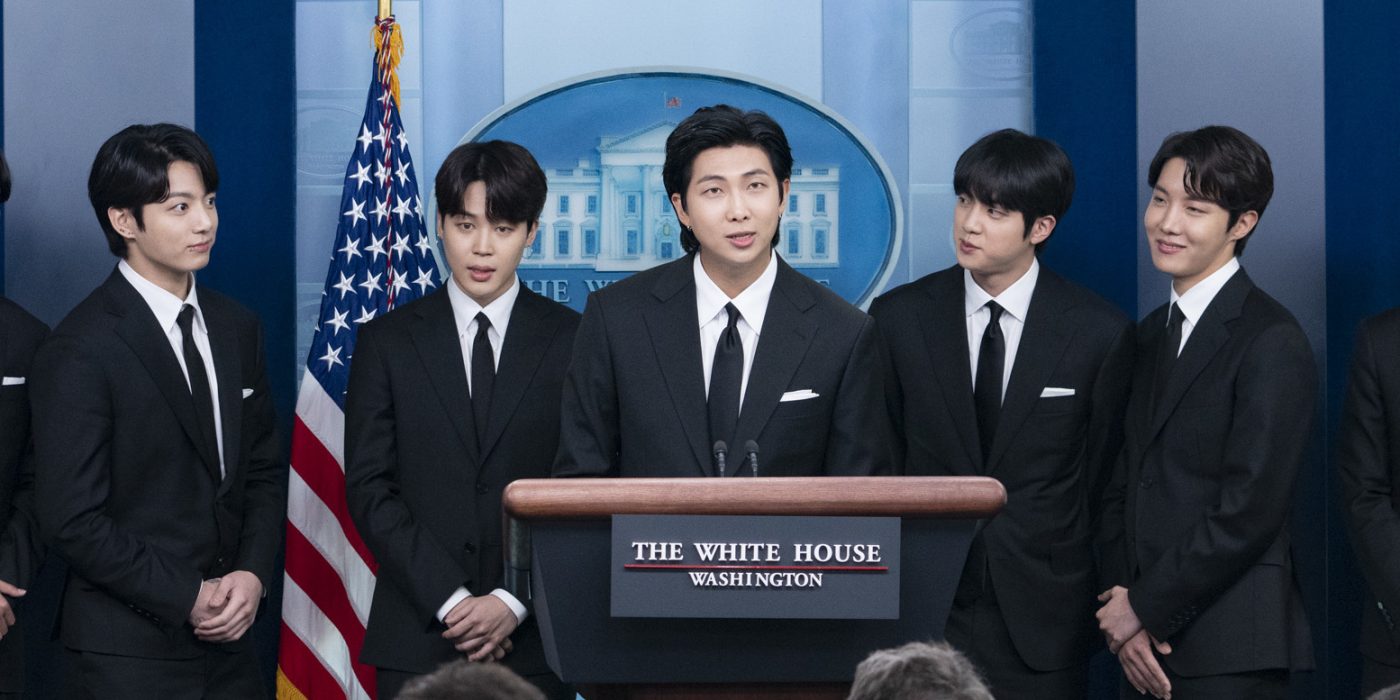
In late 2022, BTS announced they were going on hiatus. The reason was unavoidable: South Korean law requires all able-bodied men to serve in the military, typically for 18-21 months. For a band whose combined ages meant the service would be staggered across several years, this meant a hiatus of unprecedented scale – the world’s biggest pop group, paused by statute.
The response was predictably enormous. ARMY – the BTS fandom, organized and emotionally invested in ways that would be alarming if they weren’t so demonstrably genuine – entered a kind of collective waiting period. Individual members released solo music. Big Hit Entertainment, the management company now rebranded as HYBE, continued operating. The infrastructure of BTS kept turning even with the engine disengaged.
But the real story here isn’t the waiting. It’s what the situation reveals about the relationship between South Korean pop culture and the South Korean state.
The Military Service Question
South Korea’s mandatory military service requirement is not a trivial bureaucratic matter. It is a direct consequence of the Korean War, which technically never ended – the armistice signed in 1953 is a ceasefire, not a peace treaty. North Korea remains an active military threat across a border that is one of the most fortified on earth. In this context, the military service obligation is an existential policy, not a cultural tradition.
For years there was debate about whether BTS – whose cultural and economic impact on South Korea is quantifiably enormous, generating billions of dollars in tourism and export revenue – should receive an exemption. Classical musicians and Olympic athletes can receive exemptions; the debate was whether pop musicians should qualify. The South Korean government ultimately decided they should not, or more precisely, that BTS themselves should not seek one.
The band made the right call. Seeking an exemption would have generated resentment among ordinary South Korean men who had no choice but to serve. BTS serving – and doing so publicly, without complaint – turned the situation into something more interesting: an argument about what national service means in the context of soft power.
The Solo Work Years
Between 2022 and 2026, each of the seven members released solo work of varying ambition and quality. RM’s solo records showed the clearest artistic trajectory – reflective, searching, willing to be genuinely weird in ways that the BTS collective context doesn’t always allow. Jung Kook’s more straightforward pop approach generated enormous commercial numbers. Jimin and Jin pursued their own directions.
What the solo work revealed is something fans already knew and skeptics were reluctant to accept: these are seven individuals with distinct artistic identities who happen to be most powerful when they operate together. The solo years demonstrated the parts. Arirang is the argument for the whole.
What Comeback Means
The Gwanghwamun Square concert on March 21, 2026, was watched by hundreds of thousands in person and millions more on Netflix. RM performed seated due to an ankle injury. The group delivered live debuts of tracks including Hooligan, Aliens, and Body To Body. The crowd made a sound that registered on seismographs.
The comeback isn’t just musical. It’s a test of whether the machinery of global pop can sustain a multi-year pause and restart at scale. Early evidence: yes, it can, because what BTS built isn’t primarily a product. It’s a relationship. And relationships, unlike audiences, don’t simply drift away because the show goes dark for a while.
Arirang, the album, named for the ancient Korean folk song about longing and return, was the right title. They were always coming back. The question was just what they’d bring with them.