 Into The Music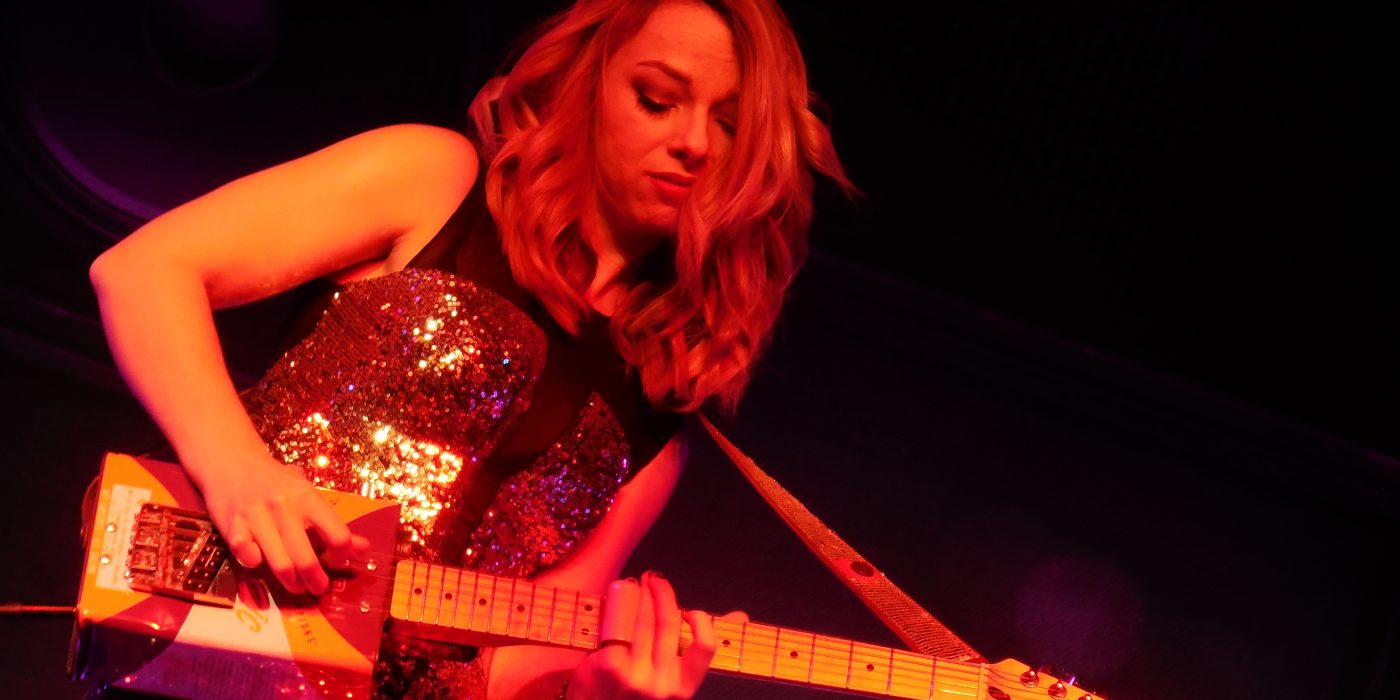
Every five years or so, someone writes the obituary for rock music. The numbers are usually cited – streaming share declining, rock radio formatting out, guitar-based acts underrepresented in festival headliners. And every five years, a band comes along and makes an album or a live performance that resets the argument entirely.
Right now, in 2026, the evidence cuts both ways. Neurosis just released their first album in a decade with the urgency of a band that has something to prove. Wet Leg opened SNL UK as its inaugural musical guest, wielding angular guitars and deadpan lyrics at primetime. Afghan Whigs are celebrating their 40th anniversary with new music. The post-punk revival that Dry Cleaning and Black Midi represented in the early 2020s has continued to produce genuinely weird and interesting work.
But the chart picture is different. Rock’s commercial dominance – the period from roughly 1964 to 2000 when it was simply assumed that the biggest artists in the world played guitars – is over, and it’s not coming back. The mainstream is pop, hip-hop, and Latin music now. Rock occupies a genre position more like jazz or classical than like the universal culture it once was.
The interesting question isn’t whether rock is alive. It obviously is. The interesting question is what it means to love rock music in an era when loving rock music is a choice rather than a default. Genre identity works differently when you have to choose it. The people who are choosing rock in 2026 are choosing it for reasons – aesthetic, emotional, countercultural – that are more deliberate than the reasons of previous generations who grew up in a world where rock was simply the water they swam in.
That deliberateness might be what saves it. Genres that survive their commercial peak often become more interesting in the aftermath. Jazz is more creatively alive now than it was in the 1950s. Folk is having perpetual renaissance moments. Rock, freed from the obligation to be everything to everyone, might just be figuring out what it actually wants to be.
Neurosis dropping a surprise album at 3am with a statement about now or never is a very rock-and-roll thing to do. So is Wet Leg making absurdist post-punk that makes you laugh and think simultaneously. The obituaries can wait.
Here we go again with the ‘rock found a new exit’ piece. Look, I’ll say it guitar music has been finding ‘new exits’ since 1992 and somehow it keeps ending up in the same cul-de-sac. The article’s right that rock keeps surviving, but surviving ain’t the same as mattering the way it once did. Hip-hop had to actually earn its dominance. Rock is just coasting on infrastructure built 50 years ago. When a rock act creates something as genuinely new as what was coming out of the Bronx in the early ’80s, I’ll pay attention.
Rick, I hear the frustration but I’d push back a little. The guitar did find a genuine new exit in the early 2000s, what came out of post-rock and math rock during that period was genuinely unprecedented, and if you’re listening to the right pressings of Slint or Tortoise from that era you’ll hear something that hadn’t existed before. The problem isn’t that the music wasn’t doing something new. The problem is that the industry didn’t follow it there, and so it calcified into indie clichés while the interesting work kept happening underground. That’s a distribution problem, not a creativity problem.
Interesting that the article mentions guitar acts being underrepresented in streaming, because the numbers tell a more complicated story depending on which market you look at. Country which is guitar-driven at its core consistently dominates the Billboard 200 and has for the past decade. Morgan Wallen’s last album spent over 100 weeks in the top 10. If the thesis is that guitar music is struggling, country seems to have missed the memo. I suspect the ‘rock is dying’ narrative is really a ‘indie rock and legacy acts aren’t connecting with young audiences’ narrative, which is a much smaller claim.
Randall, the country point is actually so underexamined, there’s this whole conversation happening about guitar music dying and meanwhile Morgan Wallen is selling out stadiums with a Telecaster front and center. I think the real anxiety isn’t about the guitar disappearing, it’s about *who gets to be the face of guitar music* and what that means culturally. The instrument itself is fine. It’s the identity politics wrapped around it that keep shifting.
Amelia YES!!! Morgan Wallen selling out stadiums with a Telecaster while everyone’s writing rock’s obituary , the irony is too much!! And honestly the same energy as Afrobeats producers sampling guitar riffs from Fela records and making them slap for a whole new generation. The guitar literally never left, it just moved neighborhoods!!
This is so interesting to read from a C-pop perspective because we’ve been having basically the SAME conversation in Chinese music for years, is guitar-based music dying or just moving? And what happened is it moved into really unexpected places, like folk-pop and indie scenes that weren’t even visible to mainstream radio. Maybe that’s the point? Rock doesn’t need the old exits if it finds doors nobody was watching.
The ‘obituary’ framing is worth interrogating because it’s always been a proxy for a different anxiety, not whether guitar music exists but whether it matters culturally in the way it once did. And the honest answer is probably: no, not in the same centralized way. But Radiohead’s later work, or what Fontaines D.C. are doing, or even some of the weirder American indie stuff, it’s not dead, it’s just stopped being the thing everyone has to have an opinion about. Which might actually be healthier for the music itself.
The article’s framing of guitar music finding ‘new exits’ is poetically apt, but I want to complicate it slightly. In Achebe’s Things Fall Apart, Okonkwo never found his exit, his tragedy was precisely that he refused to adapt without surrendering entirely. Guitar music faces a version of that dilemma: adapt too much and you lose what made it matter; refuse to adapt and you calcify. What the best guitar-based artists have done, and I’d point to St. Vincent or Mdou Moctar as examples on opposite ends of a very wide spectrum, is understand that the instrument itself carries cultural memory, and that memory is in conversation with the present, not opposed to it. That’s not finding an exit. That’s finding a continuation.
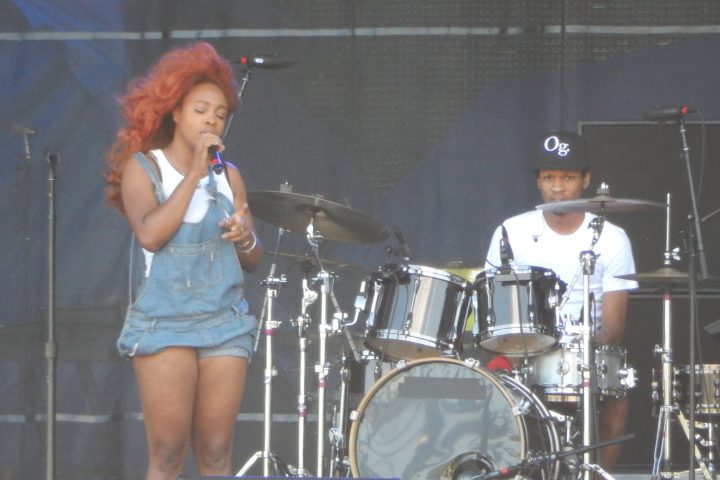
One thing the article skims past: guitar music’s decline in streaming share correlates pretty directly with the decline of the drum kit as a primary rhythmic driver. When production moved toward programmed drums and 808s, the guitar lost its natural rhythmic partner. The two instruments were always locked together in rock, the drummer and the guitarist set the tempo and the feel jointly. Strip that out and the guitar floats, unmoored. The acts that have kept guitar relevant (I’d argue Fontaines D.C., or even what Jack White does) are the ones where the rhythm section still functions as a conversation rather than a backing track.
okay so I’m mainly a pop person but this article sent me down a rabbit hole and I just spent an hour listening to older guitar bands I’d never heard of before and WAIT. Why did nobody tell me about this stuff sooner?? like guitar music isn’t dead at all, I think I just wasn’t looking in the right places. genuinely excited to explore more of this.
ok but can we talk about how K-pop literally saved guitar?? like CNBLUE, DAY6, N.Flying , these guys are out here doing full live band rock and selling out arenas across Asia and NOBODY in the “is guitar dead” conversation ever mentions them 😭 the house that rock built has a very nice extension in Seoul just saying
Something about this article made me want to sit quietly for a while. When I play singing bowls in the morning, the tone resonates in a space that feels ancient and ongoing at the same time , and that’s actually what guitar music does for my nervous system when it’s at its best. It doesn’t die. It migrates. The sound vibrates somewhere else in the body until conditions are right to surface again.
Guitar music never died. It just stopped needing to be loud about it.
The article gestures at guitar music’s resilience without really examining where it’s been most vital outside the Anglo-American frame. Highlife guitar , from E.T. Mensah through Osibisa to today’s Amapiano producers who still sample those lead lines , never experienced the kind of identity crisis the piece describes. The guitar in West African music was never a genre marker; it was a voice. That’s probably why it didn’t need saving.
The article asks why guitar music keeps finding new exits, and I think the answer lives in something beyond genre , it lives in devotion. When I listen to qawwali, the sarangi and harmonium carry the same searching quality I hear in the best guitar work. It’s not the instrument that survives. It’s the longing in the hands playing it. Every tradition that endures does so because someone somewhere is playing it like their life depends on it.
Ay, this article is really hitting me in the heart, you know? It’s speaking to that deep, undying connection so many of us feel to guitar music – that raw, visceral power that just grabs you and won’t let go. Even as the industry writes it off, the guitar keeps finding new ways to thrive and evolve. Because it’s not just a genre, it’s a language, a tradition, a way of being. From the flamenco masters of Andalusia to the garage rockers of Detroit, the guitar has always been a vessel for expressing the restless human spirit. And it will never die, because it lives in the blood and bones of so many cultures. No matter how much they try to bury it, the guitar will always find a way to rise up again.
Ohh la la, this article really gets to the essence of why the guitar will never go away – it’s not just a musical instrument, it’s a way of life! From the gypsy jazz of Paris to the reggae rhythms of Kingston, the guitar has woven itself into the fabric of so many cultures and communities around the world. There’s just something so primal and captivating about its sound, something that speaks directly to the soul. Even as the trends and fads come and go, the guitar persists because it taps into a universal human need for self-expression and connection. You can try to bury it, but it will always find a way to rise up again, like a phoenix from the ashes. Vive la guitare!
Yooo, this article is straight fire! I mean, how can anyone even think about writing the obituary for guitar music when you got artists like Morgan Wallen selling out stadiums with a Telecaster? That just goes to show how guitar-driven sounds are still connecting with people in a major way, even if they’re not getting the same mainstream hype as they used to. And the author is absolutely right – the guitar is more than just a genre, it’s a whole language, a way of expressing the human experience that will never go away. From the flamenco of Spain to the highlife of Ghana to the rock n’ roll of Detroit, the guitar has been the backbone of so many vibrant musical cultures around the world. And it ain’t going nowhere, no matter how much the industry might try to move on. Viva la guitarra!