Interpol have been one of rock music’s great slow burns for over two decades. They emerged from the New York post-punk revival of the early 2000s alongside the Strokes, but they always operated on a different frequency – darker, more architectural, less interested in being liked. That stubbornness is both their limitation and the reason they’re still going strong while some of their contemporaries have faded into catalog status.
The band’s debut, Turn On the Bright Lights, remains one of the defining guitar records of the 2000s – a record of immaculate bleakness built on Paul Banks’ baritone and Daniel Kessler’s chiming guitar lines. Carlos Dengler’s bass playing was so distinctive it felt like a lead instrument, which is part of why his departure in 2010 marked a real shift in what the band was capable of. They’ve been working to replace that gravitational center ever since.
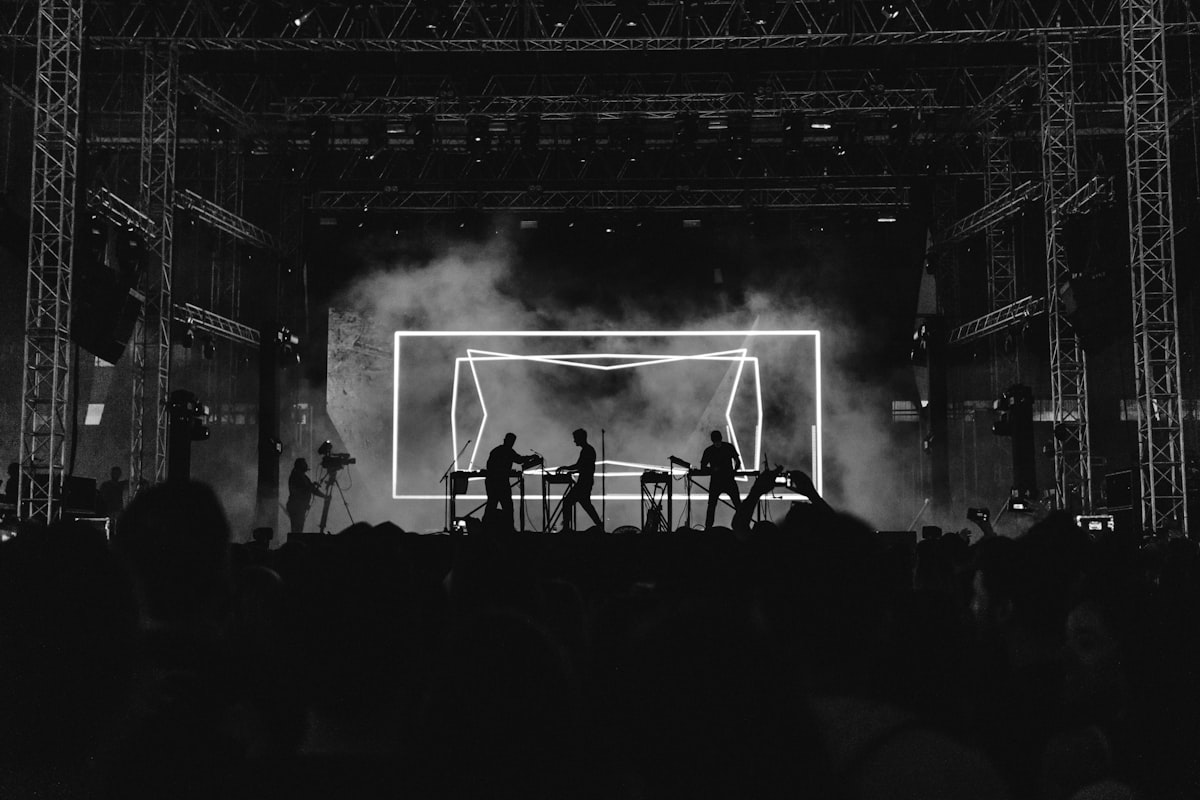
The new song “See Out Loud,” debuted in Sao Paulo this week, suggests the band is in good form heading into whatever comes next. Interpol in South America is always a specific event – their South American fanbase has a devotion that borders on religious, and playing new material to that audience is a genuine act of artistic trust.
What keeps Interpol interesting is their refusal to update. They’re still making dense, serious rock music that operates by its own internal logic. In an era where guitar bands frequently feel like they’re chasing relevance, Interpol acts like relevance is someone else’s problem. That attitude produces uneven results over time, but it also produces records with genuine character.
They are exactly themselves, every time, without apology. At this point in rock history, that’s no small thing.