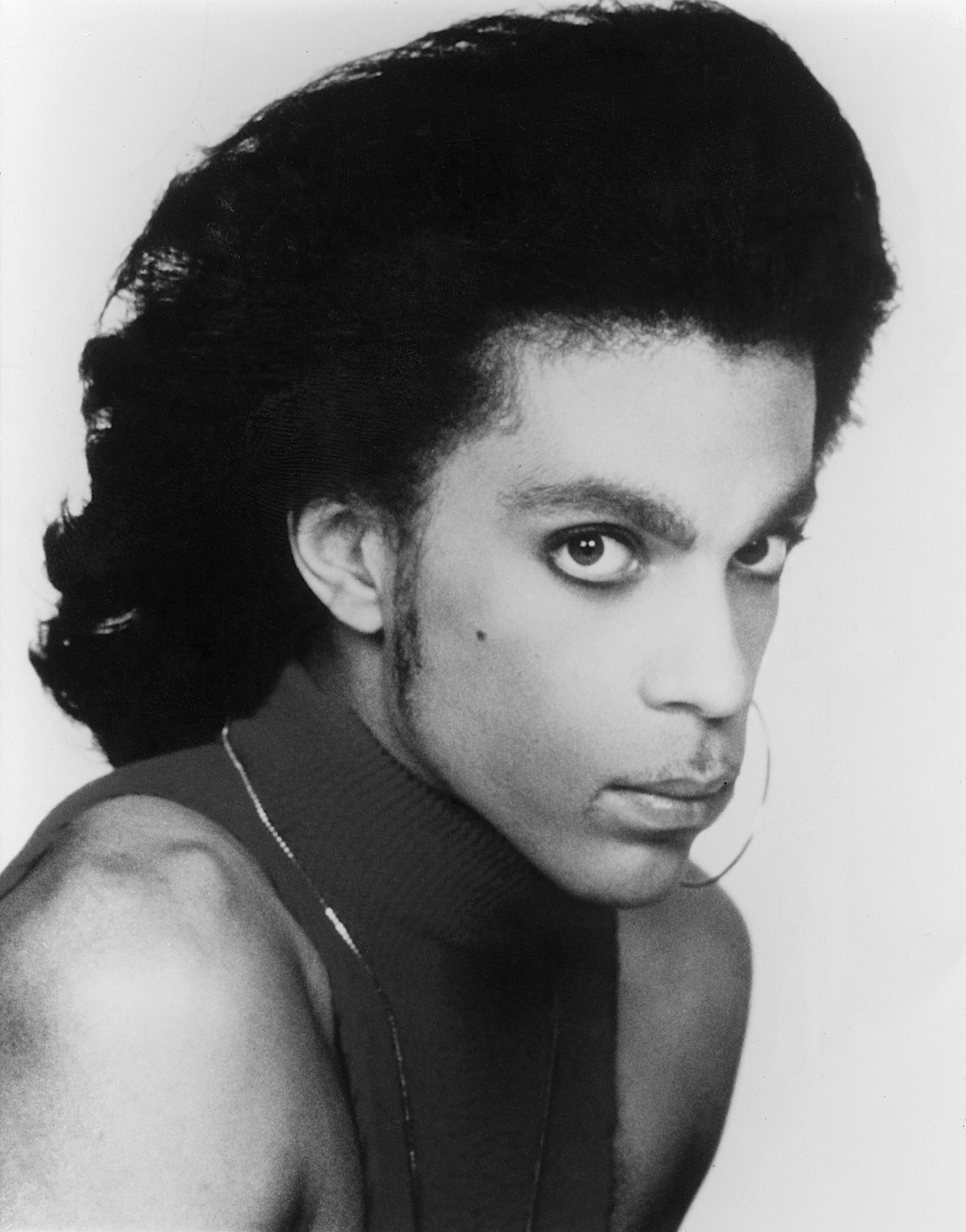
Nobody sounds like Prince. After ten years without him, that fact has only become more apparent. Spotify algorithms and AI models and production trend cycles have all converged on a kind of musical monoculture that Prince would have found baffling – not because he was opposed to popularity, but because his whole project was about the individual voice, the singular perspective, the thing that can only come from one specific human being and cannot be replicated or optimized.
Prince Rogers Nelson was born in Minneapolis in 1958 and spent his career making Minneapolis the center of the musical universe – not by accident but by sheer force of will. He built Paisley Park, his studio and compound and creative ecosystem, and made it a place where funk, rock, R&B, gospel, psychedelia, and soul could coexist and cross-pollinate under one roof and one vision.
His discography is overwhelming in scope and quality. Purple Rain is the obvious entry point, a record so perfectly constructed that even people who hate the 1980s sound of it have to concede its emotional architecture. But the real Prince – the unrestrainable, ungovernable Prince – is in the deeper catalog: Dirty Mind, Controversy, Around the World in a Day, Sign O the Times. Albums made at a pace that suggested he was operating at a different clock speed than everyone else.
He played every instrument on his early records. He was one of the greatest guitarists who ever lived, a fact that only became widely acknowledged when he publicly outplayed everyone else at the Concert for George Harrison. He wrote songs for other artists under pseudonyms and gave away work he could have used himself because he always had more where that came from.
Prince died in April 2016 at Paisley Park at 57, from an accidental fentanyl overdose. His vault – the recordings he never released, the work he kept – is still being slowly excavated. He left behind more music than most artists make in two lifetimes.
There is no contemporary equivalent. There cannot be.