 Into The Music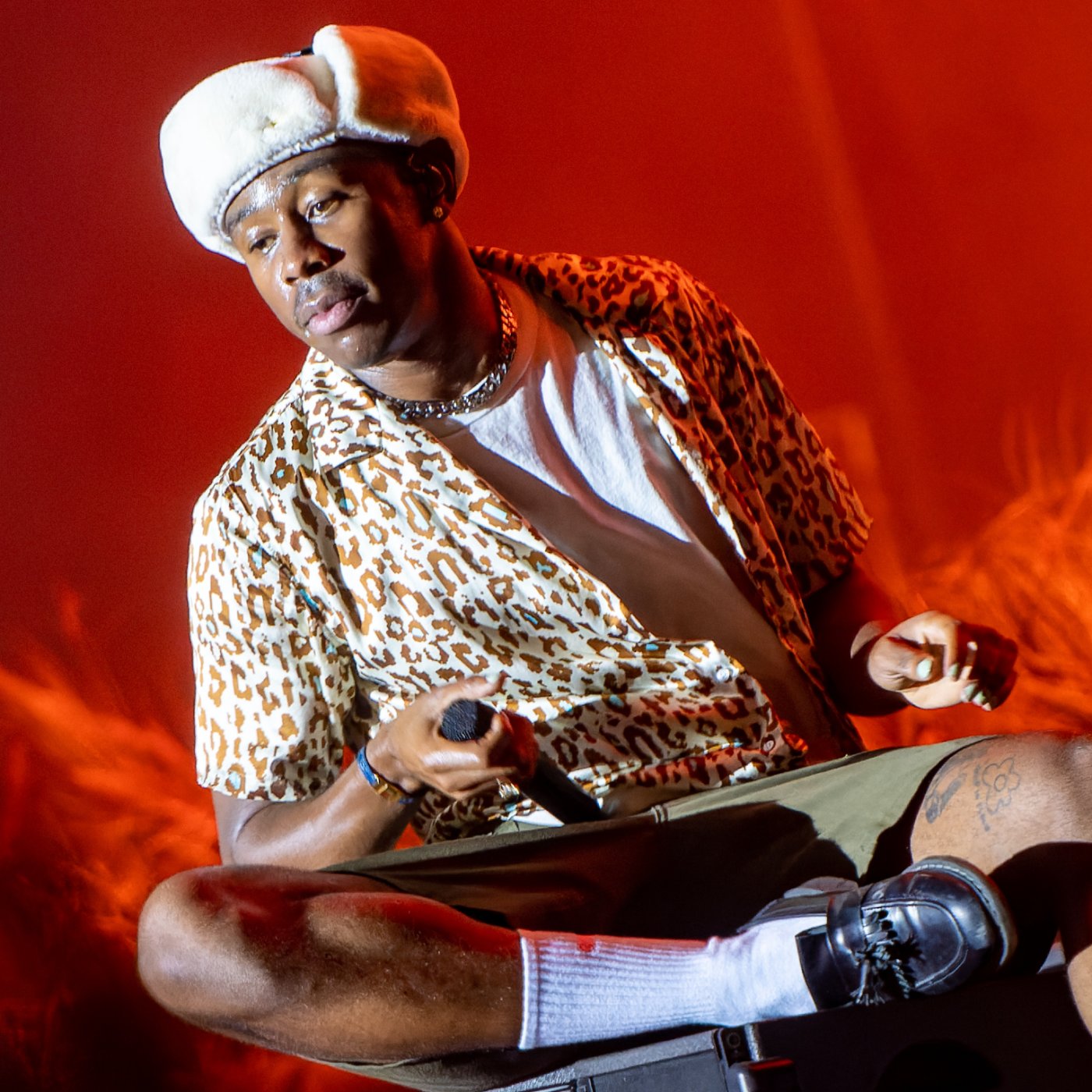
Tyler, the Creator does not make the same album twice. That fact is both his greatest strength and the reason some people have never fully committed to him as a fan. Every record he releases sounds like a reinvention so complete that the previous version of Tyler seems to have been a different person entirely, which is occasionally disorienting but mostly evidence of an artist who takes the idea of growth seriously to the point of being almost obsessive about it.
He was born Tyler Gregory Okonma in Ladera Heights, California in 1991 and started making music in his early teens with the collective Odd Future, a Los Angeles rap crew that arrived around 2008 with deliberately provocative content and a DIY ethic that felt genuinely new. The early Odd Future tapes were rough and confrontational in ways that made critics uncomfortable and made younger listeners feel like they were in on something secret. Tyler was the most visible member of the group, and Goblin, his 2011 debut proper, turned that visibility into something that required serious engagement whether you liked it or not.
What happened after Goblin is one of the more interesting trajectories in contemporary music. Each album pulled the sound further from its origins. Wolf in 2013 leaned into Neptunes-era hip hop. Cherry Bomb in 2015 was deliberately lo-fi and overloaded in ways that alienated people who were expecting another straight rap record. Flower Boy in 2017 was the pivot point, a lush, melodic record about loneliness and desire that revealed a songwriter who had outgrown the provocateur mode entirely. IGOR in 2019 won the Grammy for Best Rap Album despite being almost entirely a synth-pop record about a failing relationship, which said something about both Tyler and the state of genre labels.
Call Me If You Get Lost in 2021 swung back toward hip hop, drawing on DJ Drama’s Gangsta Grillz mixtape aesthetic to make something that felt nostalgic and immediate at the same time. Chromakopia in 2024 continued in that direction while adding a layer of philosophical reflection that made it one of his most ambitious efforts, a record preoccupied with legacy and identity and the pressures of being watched by millions of people who project different things onto you depending on the day.
Live, Tyler performs with a full production setup that turns his shows into something between a concert and an art installation. He performed at Tecate Pa’l Norte in Monterrey this week, headlining a day that also included the Deftones, which is a genuinely strange double bill and yet somehow it makes sense when you think about how both artists have used the idea of atmosphere to build something that transcends its genre.
The producer side of his work has become its own conversation. He has worked with Frank Ocean, Kanye West, Pharrell, and dozens of others, and his ear for texture and arrangement is one of the more distinctive in the business. The music he makes sounds like his. That sounds obvious but it is actually quite rare. A lot of successful pop music sounds like whatever was successful three years ago. Tyler’s records sound like his particular way of hearing the world, which is busy and romantic and occasionally overwhelming in exactly the way that his most devoted fans have been describing for fifteen years.
He is 34 years old and he is still making records that feel like he is working something out rather than confirming what people already know about him. That is the thing to hold onto when people debate whether this era or that era is the real Tyler. They are all the real Tyler. He just keeps showing you a different angle of the same obsession.