 Into The Music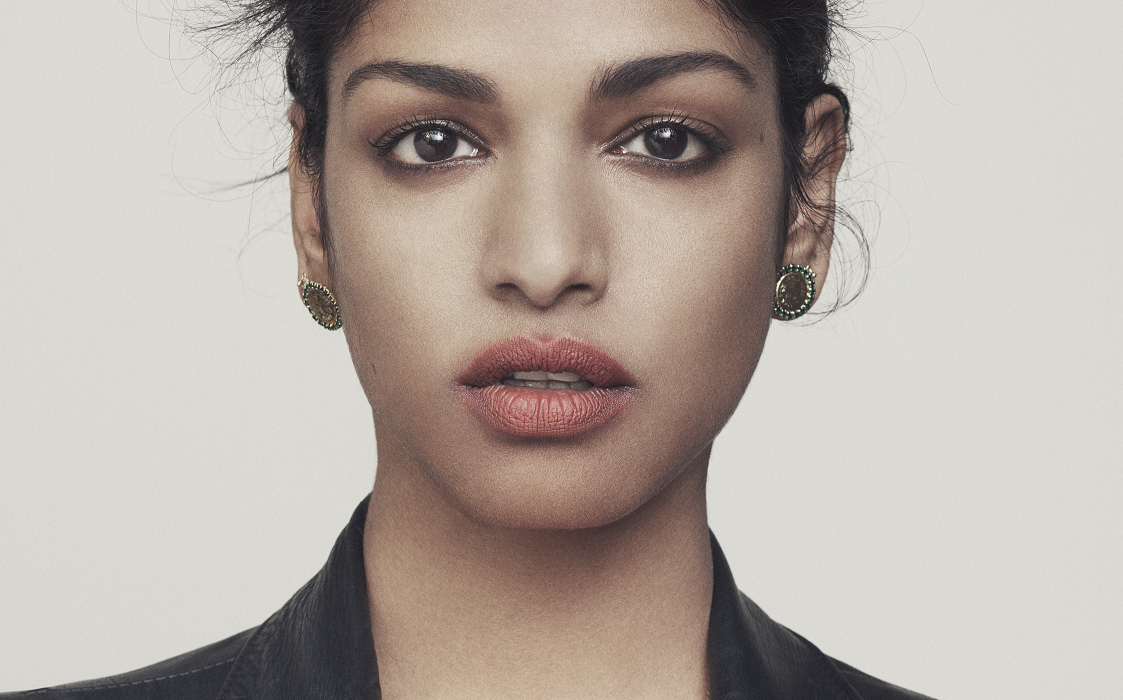
Coachella has always been a place of ghosts, a desert stage where past and present collide in the heat of the Indio sun. But when M.I.A. walked onto the main stage during Major Lazer’s set this past weekend to join Diplo for a performance of “Paper Planes,” it felt like more than just a surprise guest appearance. It was a reunion of the two people who, perhaps more than any others, built the chaotic, globalized, and genre-blurring blueprint of modern pop.
The history between M.I.A. and Diplo is a foundational text of the 21st century. Their early collaborations, culminating in the cultural earthquake of “Paper Planes,” were a middle finger to the polished, gated community of the 2000s music industry. They brought the sounds of the global South, the rhythms of the favelas and the streets of London, into the American mainstream and made it look easy. Watching them share the stage in 2026 was a reminder of just how much the current landscape owes to their restless, often contentious partnership.
Diplo, who announced her appearance with a rare moment of sentimentality, noted that M.I.A. was his first Coachella experience. It was a full circle moment that underscored the festival’s evolution from an indie rock outpost into the high-glitz, multi-genre behemoth it is today. When the first gunshots and cash register sounds of “Paper Planes” rang out across the desert, the response was a roar of recognition. It is a song that hasn’t aged a day, a track that still feels as radical and disruptive as it did in 2007.
The reunion was particularly poignant given the trajectory of both artists. M.I.A. has spent years as a nomadic iconoclast, often at odds with the very industry she helped revolutionize. Diplo, meanwhile, has become the ultimate industry insider, a curator of global sounds who has worked with everyone from Beyoncé to Justin Bieber. To see them together again was to witness the bridge between the underground and the ultimate mainstream, a reunion of the radical and the successful.
The performance of “Paper Planes” was the standout moment of a festival weekend that was otherwise defined by a search for the next big thing. In a year where Coachella has struggled to define its identity amidst a changing pop order, M.I.A. and Diplo provided a necessary anchor. They reminded the crowd that before the algorithms and the TikTok trends, there was a raw, unrefined energy that came from just two people in a room trying to make something the world hadn’t heard before. The ghosts of the desert were still there, but for a few minutes, the present felt just as exciting as the past.