The story of how Live Nation became the single most powerful force in the live music business is a story about regulatory failure, industry consolidation, and the specific way that network effects can make a monopoly feel inevitable even as it’s being constructed in real time. With reports this week that the Trump DOJ may be moving to settle its antitrust lawsuit against the company, the moment is right to look at how we got here.
Live Nation formed in 2010 through the merger of Live Nation Entertainment – already the country’s largest concert promoter – and Ticketmaster, the dominant ticketing company. The DOJ reviewed and approved the merger with conditions, requiring the company to license its ticketing software to competitors and not retaliate against venues that chose other ticketing providers. The conditions were inadequate from the start, and enforcement was essentially nonexistent.
What happened next was predictable in retrospect. Live Nation didn’t just promote concerts – it owned venues. It didn’t just own venues – it managed artists through Front Line Management. It didn’t just manage artists – it controlled the ticketing infrastructure that those artists needed to reach their audiences. Each piece of the puzzle was individually explicable. Together they formed a closed loop that competitors couldn’t break into without Live Nation’s cooperation, which was never forthcoming.
The service fee problem is where this becomes personal for ordinary people. Ticketmaster fees have grown from a nuisance to an economic absurdity. “Convenience fees,” “facility fees,” “order processing fees” – by the time you’ve completed a transaction you can be paying 30 to 50 percent above the face value of the ticket you wanted. The fees exist because they can. There’s nowhere else to go for most major concerts at most major venues, and the company knows it.
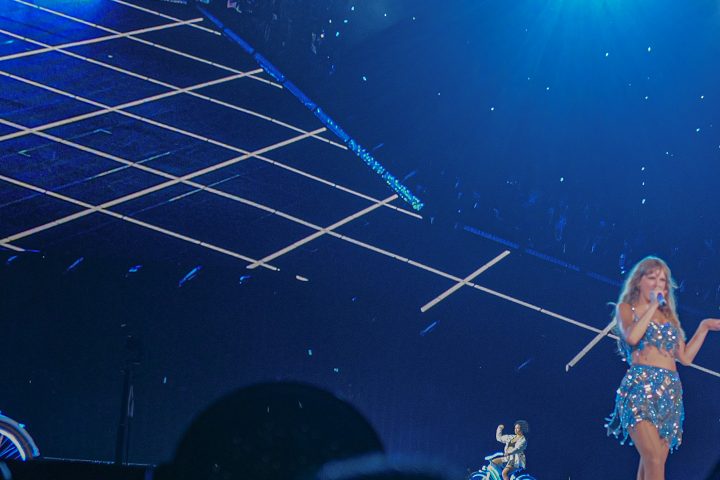
Artists have complained about this system for years, largely off the record because they depend on the Live Nation ecosystem to function. Pearl Jam fought Ticketmaster publicly in the 1990s and largely lost – a cautionary tale that kept most artists quiet for decades afterward. When Taylor Swift’s Eras Tour ticket sale collapsed spectacularly in 2022, with fans unable to get tickets at any reasonable price, it created the rare kind of consumer outrage that’s hard to ignore politically.
The DOJ lawsuit, filed in 2024, was the most serious federal action against Live Nation since the original merger approval. It argued – correctly – that the company had violated the conditions of that 2010 merger and used its position in the live music ecosystem to foreclose competition at every level. The requested remedy included structural remedies: breaking off Ticketmaster as a separate company, potentially divesting venue holdings.
If Trump’s DOJ settles for something less, Live Nation walks away intact and arguably more powerful than before – they’ll have been through a federal antitrust case and emerged without meaningful change. That outcome isn’t just bad for the music industry. It sets a precedent about how seriously the government takes monopoly power in the entertainment sector at all.
The concert experience has already been degraded by Live Nation’s consolidation. The music industry knows it. Most musicians know it. The fans who paid $300 service fees certainly know it. What’s less clear is whether anyone in a position to actually change the structure has the political will to do so. This week’s news suggests the answer might be no.