 Into The Music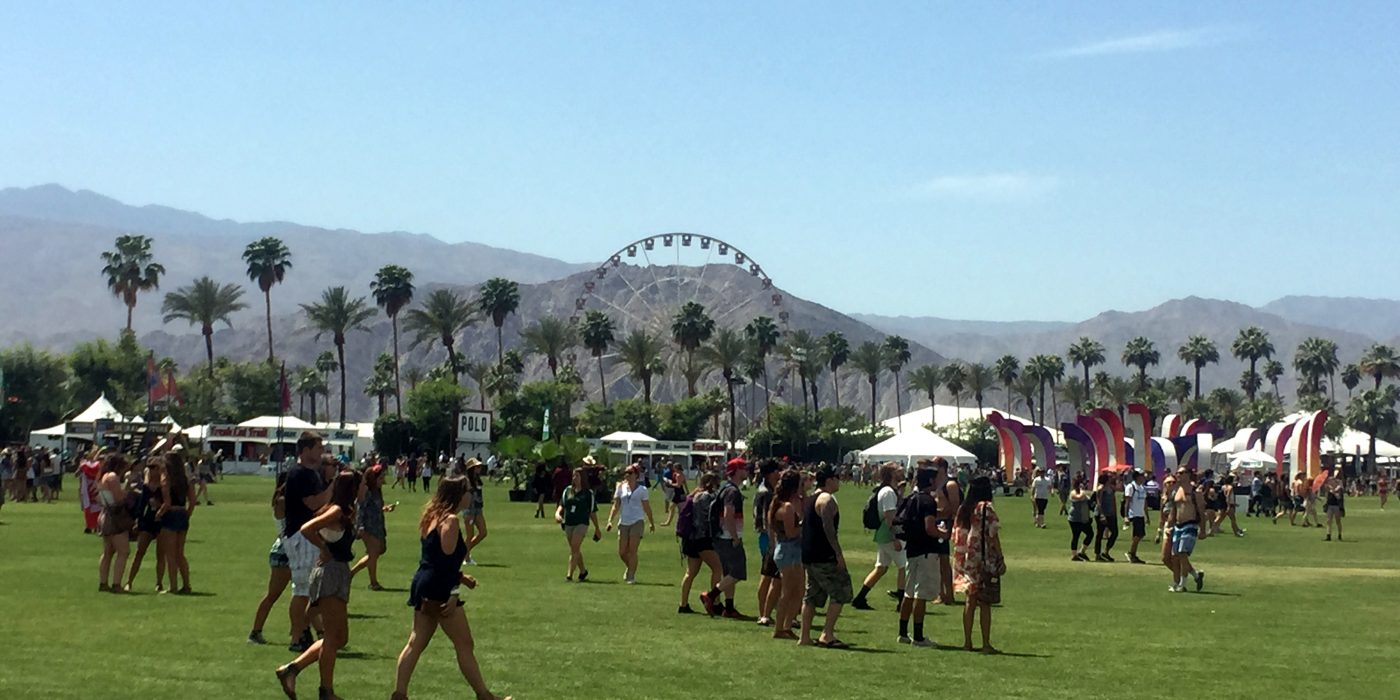
Justin Bieber headlined Coachella on Saturday night, and the reports coming out of the desert were consistent: the crowd was enormous, the guests were well-chosen, the set worked. Tems was there. Wizkid was there. Mk.gee contributed something tasteful. Bieber held it together, moved through the material confidently, and gave the audience something it had not known it needed until the moment it started.
This is not the narrative that seemed inevitable even two years ago.
The pop redemption arc is a genre unto itself now, almost as predictable in structure as a country song or a superhero film: the rise, the unraveling, the disappearance, the return. What varies is the quality of the return, and whether it feels like genuine reinvention or just brand management in a different costume. Bieber’s Coachella set, by most accounts, felt like the former.
Part of what makes this interesting is the specific nature of what Bieber had to come back from. The issues were not primarily a scandal or a creative collapse. They were health-related and deeply personal: the Ramsay Hunt diagnosis in 2022, the partial facial paralysis, the extended withdrawal from performing. Unlike the public immolations that define some other pop redemption arcs, Bieber’s problem was simply that he could not show up. The audience was not angry. It was waiting.
That distinction matters. An audience that feels betrayed needs to be won back with an act of contrition, real or performed. An audience that was worried wants reassurance, and Bieber’s return has mostly been about that: showing up, sounding good, demonstrating that the instrument still works. Coachella was the largest test of that thesis so far, and apparently it passed.
The guest appearances were smart. Tems and Wizkid connect Bieber to a global pop ecosystem where he has real credibility rather than borrowed currency. Mk.gee is the kind of collaborator who signals that you are paying attention to what is actually interesting in music right now rather than consolidating a legacy. The choices said something intentional about who Bieber sees himself as at thirty-two, and that intentionality read in the room.
The harder question is what happens next. A successful Coachella headlining set is a statement, not a destination. The pop landscape Bieber is returning to is different from the one he left. Streaming has reorganized everything. The artists who have held attention across a decade, the Beyonces and Taylor Swifts and Drakes of the current era, have done so by being not just performers but cultural institutions, with all the sustained creative output and narrative control that implies.
Bieber at Coachella was a reminder that at his peak, before everything became difficult, he was genuinely exceptional at what he does. The question of whether he can build something durable from here is still open. Saturday night was a strong beginning to trying to answer it.
The crowd showed up in force. That part, at least, is no longer a question.