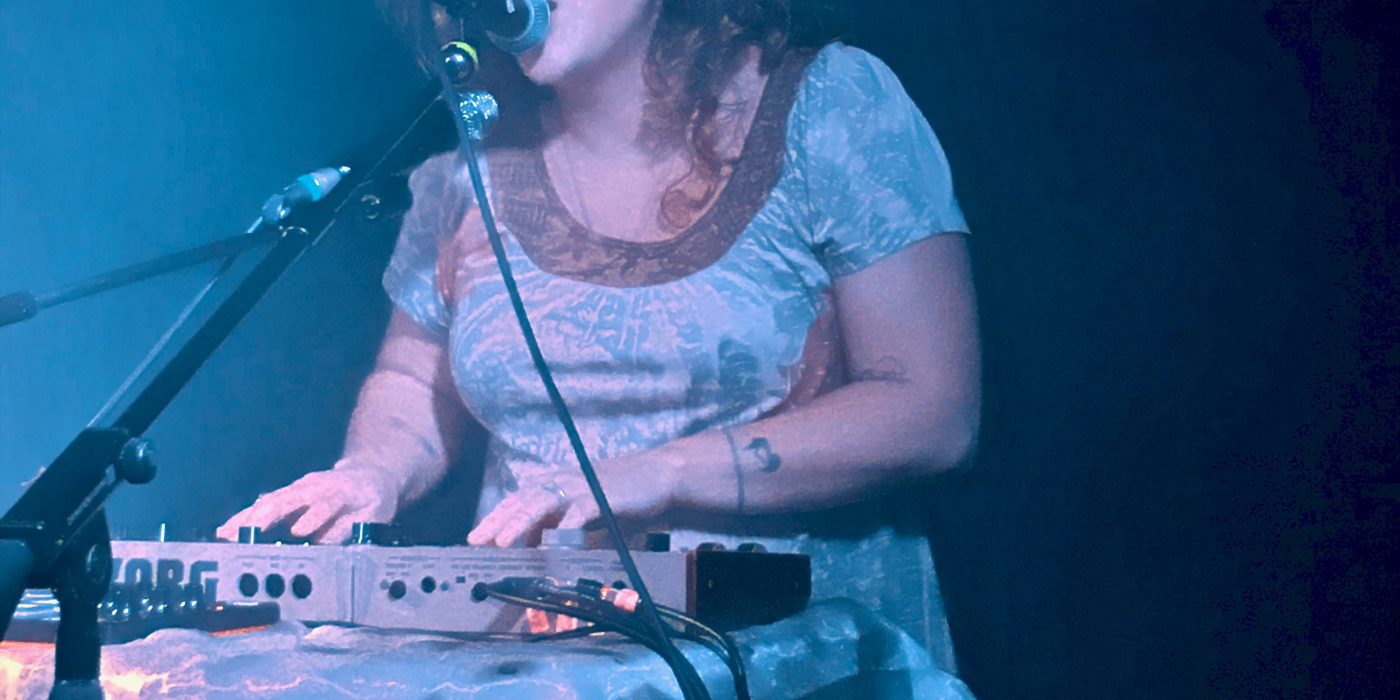
Recovery records are a well-worn genre at this point. The artist hits bottom, gets clean or sober or just saner, and makes an album about the journey back. Often these records are cathartic for the artist and earnest to the point of being difficult to listen to for everyone else. Grace Ives’s Girlfriend is the rare exception: a sobriety album that doesn’t feel like a sobriety album, because Ives is too good a songwriter to let her circumstances swallow her craft.
The backstory is real and documented. After her 2022 breakthrough Janky Star burned bright and burned her out, Ives bottomed out – alcohol, stagnation, a retreat from relationships and music alike. She got sober, dyed her hair pink, moved from New York to Los Angeles, and made this album. That narrative could have produced something unbearably earnest. Instead it produced something loose, funny in places, and genuinely pop in ways her previous work only gestured toward.
The production is the first thing that hits you. Co-produced with John DeBold and Ariel Rechtshaid – the latter a name attached to records by Carly Rae Jepsen, Vampire Weekend, and Haim – Girlfriend sounds wider and more expensive than anything Ives has made before. Tack piano, Mellotron, organs that bloom in unexpected places. Rechtshaid knows how to make a small song feel like it fills a room without losing its intimacy, and that skill is all over this record.
But the songs carry themselves. Now I’m opens the album with the kind of declaration that could curdle into inspirational poster territory and doesn’t, because Ives sings it with the slightly bewildered relief of someone who genuinely wasn’t sure they’d make it here. Drink Up is the most interesting track – a downtempo chug that turns her relationship with alcohol into something wry and self-aware rather than confessional. White lie, I’m a little snitch, she sings, and you understand exactly what she means.
There are stretches where Girlfriend is almost aggressively warm in ways that can feel a little airless – the back half loses some of the textural variety that makes the front half so engaging. But Ives earns the warmth. She’s not performing recovery. She’s just describing what it feels like when the world stops closing in.
Girlfriend is a return and a step forward at the same time. Grace Ives is too interesting an artist to simply make the comeback record. She made something stranger and more alive than that.