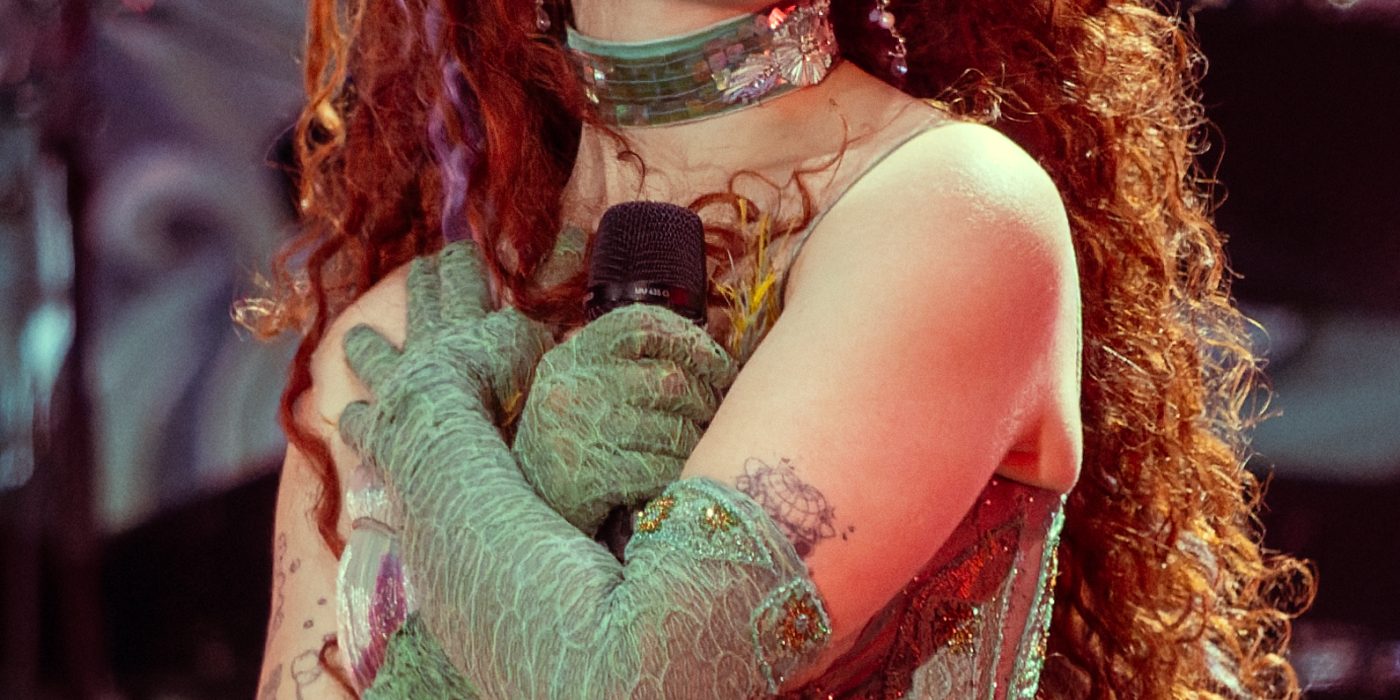
By now you’ve probably seen the story: a soccer star’s daughter allegedly had a run-in with Chappell Roan’s security team at a hotel in Sao Paulo, the Rio mayor responded by banning Roan from a city music event, and Roan fired back on social media: “I do not hate children.” It’s the kind of celebrity news cycle that burns fast and generates a lot of heat without generating much light.
But there’s something worth actually examining here, and it’s not whether Roan’s security team was too aggressive – nobody outside of that hotel hallway actually knows what happened. What’s interesting is the speed with which this escalated to a government official banning a foreign artist from a city event. That’s a remarkable overreach, and it barely got examined because the “pop star vs. soccer star’s daughter” frame was too irresistible.
Chappell Roan has spent the last year navigating the specific hell of extremely fast superstardom – the Grammy win, the relentless attention, the parasocial intensity of her fanbase and her critics alike. Her relationship with fame has been messier and more honest than most artists at her level allow themselves to be. She’s complained about the grind publicly. She’s set visible limits. Her security protocols are presumably part of that.
The “I do not hate children” statement is both funny and a little sad, because she’s now in a position of having to clarify that she is not, in fact, anti-child. This is where pop stardom lands you when you’re operating at her scale without the full corporate machinery smoothing over every rough edge.
The Rio mayor will face no consequences for an impulsive ban on a touring artist. Roan will move on to the next tour date. The daughter is probably fine. But the incident is a small, sharp window into how little control artists actually have over their own narratives when they reach a certain level of visibility.