R&B has always been the genre most willing to say the difficult thing plainly. Where rock often reached for the mythological and hip-hop for the rhetorical, R&B has traditionally operated at the level of the direct address: here is what I feel, here is who I feel it toward, here is what it costs me. That directness has made it the genre that people turn to when they need music that meets them at their actual emotional location rather than performing emotion at them from a distance.
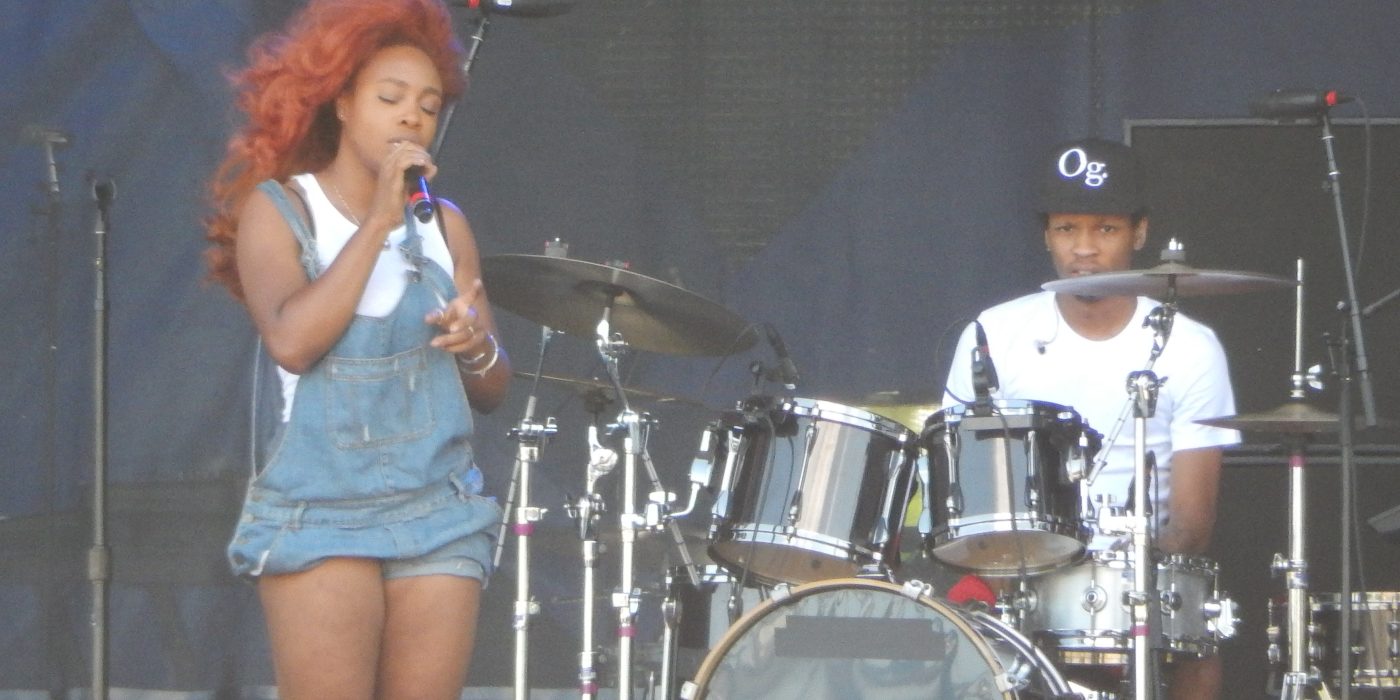
The current landscape is, by that measure, extremely rich. SZA covering the Goo Goo Dolls’ Iris – a 1998 alt-rock power ballad – and making it her own entirely (I couldn’t stop singing it, she said) is a data point about how the genre’s emotional reach extends in all directions. Yaya Bey releasing Egyptian Musk, a lovestruck single that doesn’t apologize for its warmth. Erykah Badu continuing to operate as a kind of living standard for what the tradition demands.
The genre has also been productively complicated by its overlap with hip-hop. The line between what counts as R&B and what counts as rap has been blurring since the 1990s and is now effectively non-existent for most working artists. The more interesting boundary to watch is the one between R&B’s traditional emotional directness and the ironic distance that contemporary pop often defaults to. Artists who can be fully sincere in a cultural moment that rewards cleverness are doing something harder than it looks.
Kehlani, headlining Roots Picnic 2026 alongside Jay-Z and Erykah Badu, represents where the genre is now: younger artists who have inherited the neo-soul tradition’s commitment to emotional specificity and are updating it with their own generation’s aesthetics and concerns.
The genre will be fine. It will be fine because it has always been the genre closest to what people actually feel, and people don’t stop feeling things. If anything, in a political and cultural moment as raw as this one, music that tells the emotional truth without flinching is more necessary than ever.

What this piece gets right that so many R&B retrospectives miss is the genre’s specific relationship to vulnerability — and how that’s always been a political act as much as a personal one. Black artists, queer artists, women, have used R&B as a space to say plainly what the world outside refuses to hear. When the article talks about a world ‘asking artists to be otherwise,’ I think about how that pressure has never been evenly distributed. The best R&B has always known what it costs to be honest, and that’s part of what makes it land the way it does.
Reading this through the lens of Thomas Mapfumo’s chimurenga music — where the mbira dzavadzimu was used to say dangerous political truths under the cover of traditional ceremony — I find the argument about R&B and emotional honesty very resonant. What the article calls ‘saying the difficult thing plainly’ has a long lineage across African and diasporic music, where directness was never just artistic; it was survival. The mbira has been speaking plainly about grief, longing, and resistance for centuries. That R&B carries this same function in the American context is not a coincidence of genre — it’s a continuation of something much deeper.
I’ll grant you this much — R&B has more soul left in it than most genres today. But let’s not pretend the current crop is doing what Nina Simone did, or what Bill Withers did on a bad Tuesday. ‘Emotionally honest’ is one thing. Craftsmanship is another. Blue Note records didn’t survive because the artists had feelings. They survived because the artists had chops. I’ll be curious to see if any of these newer acts are still being written about in 40 years.