 Into The Music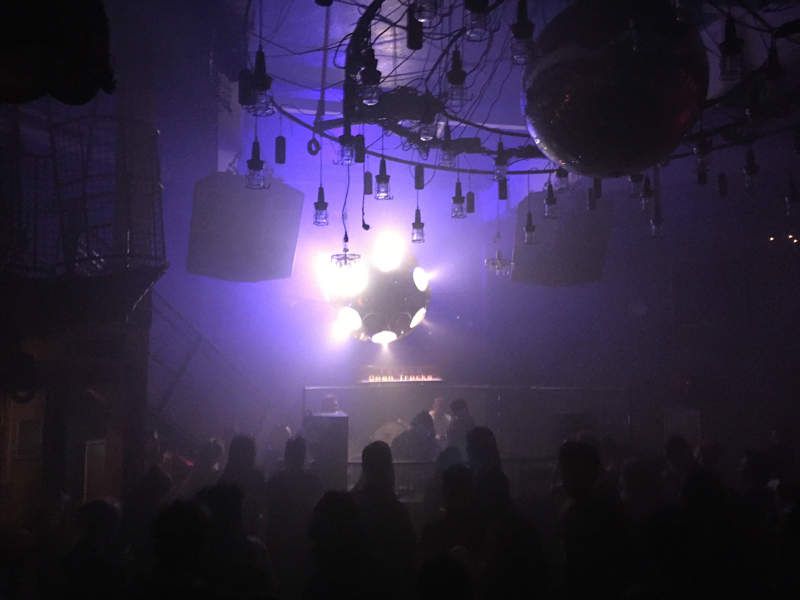
Arlo Parks made a dance record. More precisely, she made an album soaked in UK garage, 2-step, and house music, and it sounds like a completely natural evolution. This is not an accident. It reflects something that has been happening quietly across British and international pop for the past few years: the sound of the UK’s most distinctive underground genre is back in the mainstream, and this time it is being absorbed rather than nostalgically revived.
UK garage emerged in London in the mid-1990s, a mutation of American house music filtered through pirate radio stations, council estate parties, and a very specific relationship between nightlife and aspiration. It was faster than house, more rhythmically fractured, built around syncopated sub-bass and chopped vocals. Craig David, So Solid Crew, Oxide and Neutrino: these are its famous exports. But the genre was always about more than those names. It was about a feeling, about dressing up and going out and letting the music carry the weight of everything that wasn’t being said.
It mutated into grime and dubstep in the mid-2000s, both of which took its aggression and shed its sweetness. UK garage as a recognizable form went quiet. The clubs stayed open. The records kept selling. But the mainstream moved on.
What’s happening now is different from a revival. When artists like Parks build albums around 2-step rhythms and pirate radio aesthetics, they are not making nostalgia music. They are drawing on a language that feels genuinely alive to them, one that was always more emotionally capacious than its reputation suggested. Garage was always as much about vulnerability as braggadocio. The sweet hooks, the romantic longing, the sense of being fully present in a room with people you may never see again. That emotional register translates.
The current wave also benefits from what happened in between. Jungle and drum-and-bass never went away, and their recent mainstream moment has opened ears to rhythmic complexity that once required a certain subcultural membership to appreciate. Producers who grew up on early-2000s London sounds are now in their thirties and making records with mainstream artists. The knowledge is in the room.
What makes UK garage’s current influence durable rather than trend-driven is that it carries a specific emotional frequency. The genre was made for the hours between midnight and dawn, for the suspended feeling of being between versions of yourself, for both intimacy and anonymity at once. These themes are not going out of style. If anything, they feel more relevant now than they did when pirate stations were broadcasting from tower blocks in South London.
Ambiguous Desire is one example. But look across indie pop, electronic music, and R&B in 2026 and you will find the rhythmic footprints of garage everywhere: in the shuffled hi-hats, the pitched-up vocal samples, the bass that moves in unexpected places. The sound is not being borrowed ironically. It is being used because it works, because it carries weight, because it was built to make people feel something in a room together.
That is what UK garage always did best. And right now, a lot of artists seem to be rediscovering exactly why.


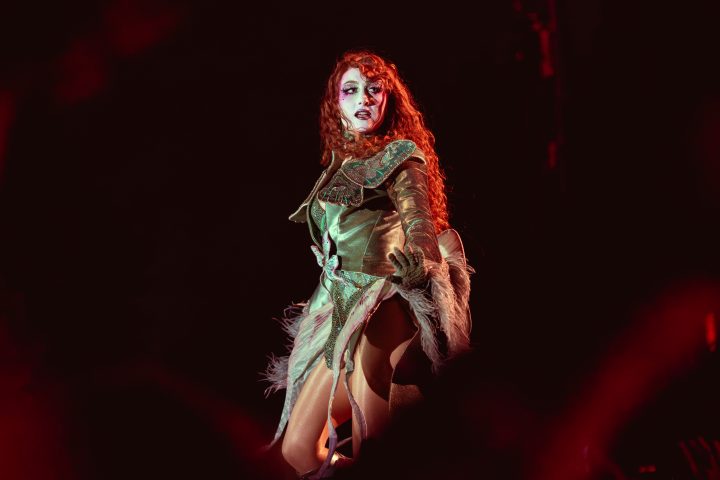
Arlo Parks making a dance record makes complete sense to me. There’s something about UK garage, that particular pull of 2-step, that has always felt like it comes from the same place as zouk, this insistence that rhythm can hold emotion rather than flatten it. When it works, you don’t just hear it, you feel it somewhere near your ribs.
Monique, the zouk connection is exactly the right lens and I’m glad you named it. What strikes me is that this emotional undertow you’re describing crosses over into music that supposedly has nothing to do with Caribbean rhythm traditions, and yet here we are. I keep thinking about artists like Polaris Prize nominees who were clearly absorbing these transatlantic influences in ways that never got documented properly. The Arlo Parks move feels like a moment where the map finally catches up to what musicians have been doing quietly for a decade.
I’ll be honest, UK garage is about as far from my natural territory as you can get. But I’ve been around long enough to know that when something doesn’t die, it’s because it has actual roots, not just momentum. The 2-step rhythm that article is describing, that off-kilter syncopation, it’s doing something blues figured out before anyone named it. The feeling of being slightly ahead or behind the beat on purpose. Call it garage, call it shuffle, the body responds the same way. Arlo Parks making a record like this at least suggests she’s listening to something deeper than trends.
Arlo Parks doing a garage and 2-step record makes SO much sense and I’m so glad this article exists! That rhythmic pull the excerpt mentions, that’s exactly what kompa and zouk do to you, it gets into your body before your brain has a chance to categorize it. UK garage always had that same quality, the syncopation hits different than a straight four-on-the-floor. I’ve been saying for years that the diaspora connections between these dance music traditions run deeper than people acknowledge.
UK garage never left, it just traveled! Gqom owes so much to that same fundamental idea, stripped-back percussion driving everything, the bass working harder than any melody could. When I hear 2-step I hear the same architecture that township music has been building on for years, just from a different city. Arlo Parks linking back to that lineage is huge actually.