 Into The Music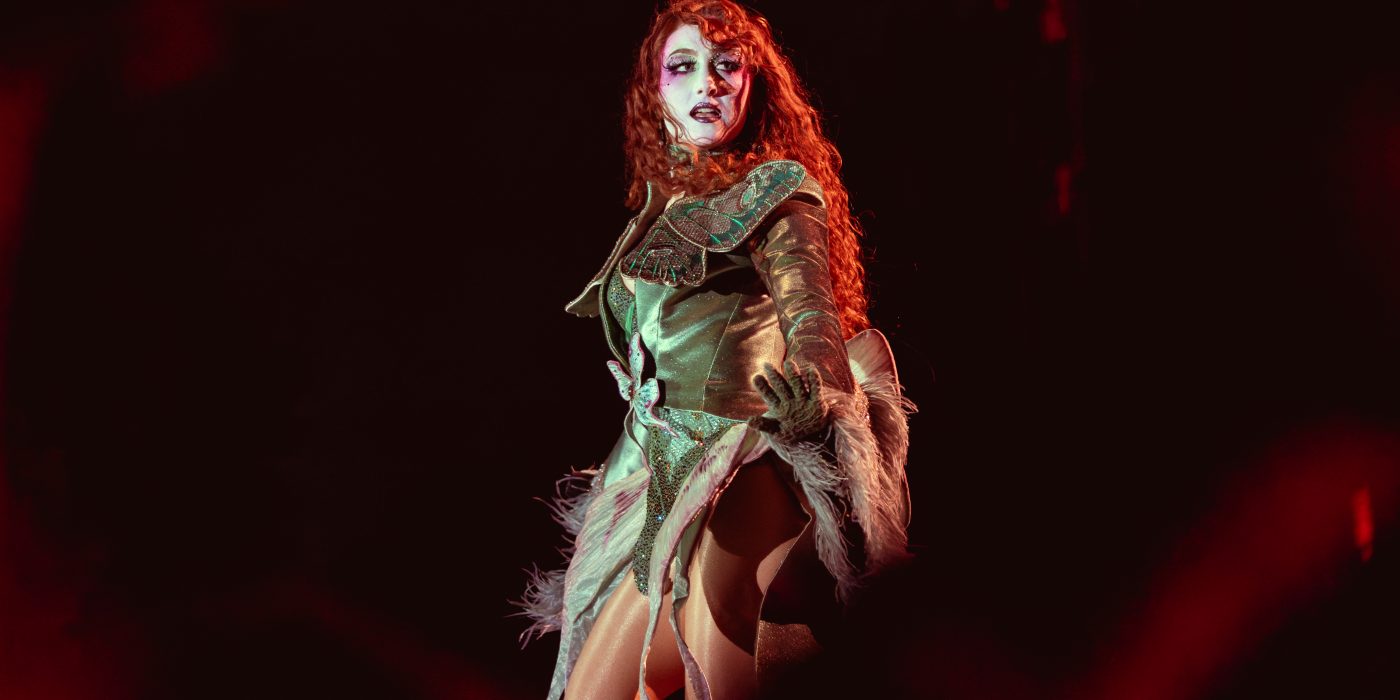
If you listen to the radio in 2026, you’re hearing the sounds of the 1980s refracted through a modern lens. Synth-pop, a genre once defined by cold machines and neon aesthetics, has undergone a radical transformation. It has become the primary vehicle for some of the most emotional, high-stakes songwriting in contemporary pop. At the center of this revival are figures like Chappell Roan and Olivia Rodrigo, who are using synthesizers not just for texture, but as emotional oscillators.
The “Midwest Princess” herself, Chappell Roan, has arguably done more to revitalize the genre than anyone in recent memory. Her 2023 debut, The Rise and Fall of a Midwest Princess, was a masterclass in synth-driven storytelling, blending disco, pop-rock, and 80s theatricality. Tracks like “Good Luck, Babe!” aren’t just catchy; they utilize the specific, soaring qualities of vintage synths to amplify the drama of their lyrics. It’s a sound that evokes the grandiosity of Kate Bush while feeling perfectly suited for a generation raised on the internet.
But the genre’s current dominance is also a result of its flexibility. We see it in the way Olivia Rodrigo seamlessly integrated synth-pop into her chart-topping “Drop Dead,” or how emerging artists are fusing electronic sounds with indie-rock sensibilities. The coldness of the 80s has been replaced by a new kind of digital warmth. Today’s synth-pop is queer, it’s loud, and it’s deeply personal. It’s no longer just about the technology; it’s about using that technology to create moments of collective catharsis. As we move further into the 2020s, the synthesizer remains the most versatile tool in the pop arsenal, proving that the future of music is still very much electronic.