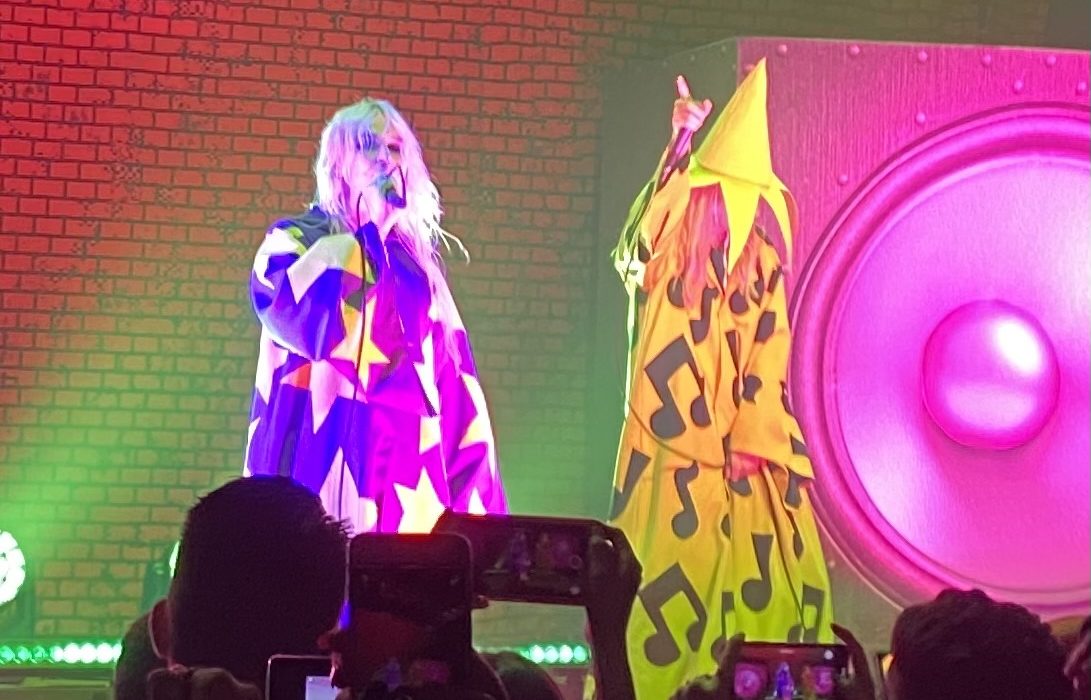
Hyperpop arrived around 2019 as a joke and an argument simultaneously. The joke: what if we turned everything to 11 and then found 12? The argument: the pop music mainstream was so sanitized, so algorithmically optimized for frictionlessness, that the only honest response was maximum artificiality pushed to the point of absurdism. Pitch the vocals until they shatter. Make the bass drops land like car crashes. Let the 808s breathe and choke in the same bar.
A.G. Cook’s PC Music label in the UK had been developing the aesthetic since around 2013 – hyper-produced, deliberately synthetic, self-aware about its own confectionery qualities in a way that made the sweetness feel like commentary rather than product. When that sensibility collided with American artists like 100 gecs (Dylan Brady and Laura Les), and the Spotify playlist algorithm introduced it to a generation of bedroom producers and listeners who were looking for something that felt actually weird, hyperpop exploded.
The defining characteristic isn’t the pitch-shifted vocals or the maximalist production, though those are the surface markers. It’s the genre’s relationship to sincerity and irony – they’re not opposites in hyperpop, they coexist. 100 gecs’ “money machine” sounds like a Korn track filtered through a blender and it also kind of is genuinely emotionally affecting, and that paradox is the entire aesthetic program of the genre made explicit.
100 gecs’ Dylan Brady releasing a new solo EP this week – alongside news of a Yeat and Kylie Jenner collaboration – is a reminder that the genre has bifurcated: one branch went mainstream (the viral TikTok end), and another branch went deeper underground, becoming more experimental and less interested in accessibility. Both lines are valid. The mainstream end brought a new generation to electronic music. The underground end is producing genuinely adventurous work.
Entry points: 100 gecs’ self-titled debut, charli xcx’s how i’m feeling now (quarantine-era hyperpop that holds up as one of the decade’s best pop records), and Dorian Electra’s My Agenda. If you want the UK origin, A.G. Cook’s solo record Apple is where the whole project started revealing its emotional core.
What I find most compelling about hyperpop’s trajectory and this piece captures it well is how it mirrors something much older: the tradition in many West African musical forms of using exaggeration, distortion, and excess not as noise but as critique. In mbalax, the tama drum patterns can become almost comedically dense, layers folding over layers, and that density is doing something philosophical it’s questioning the very idea of musical order. Hyperpop’s ‘artificiality as aesthetic program’ lands differently for me through that lens. It’s not deconstruction for its own sake; it’s a genre asking what was real about pop to begin with. And surviving with that question open is more interesting than any answer would have been.