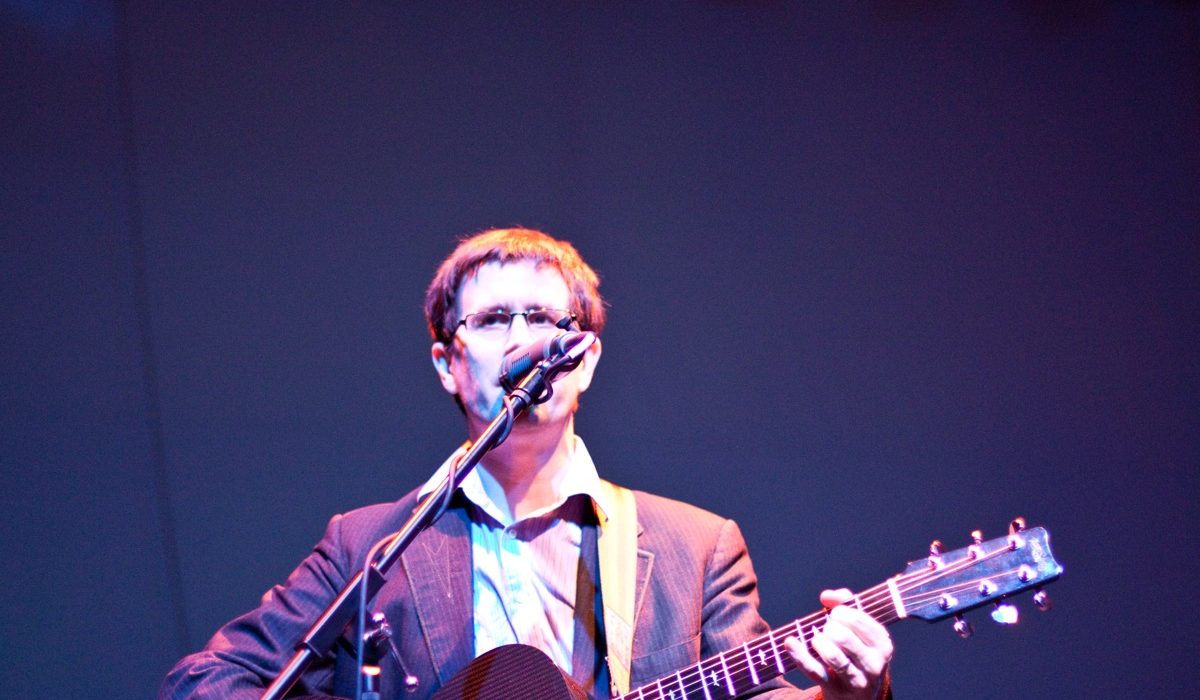
Indie folk took a critical beating in the early 2010s. After a decade of Sufjan Stevens and Iron and Wine and Bon Iver creating genuinely extraordinary records, the genre seemed to spawn an infinite number of imitators: bearded men with acoustic guitars and hushed voices and too many string arrangements, all making music that felt like a Flickr photo given sound. The backlash was swift and occasionally vicious.
Here’s the thing: most of those criticisms were right about the worst examples of the genre and almost completely missed the best ones. Indie folk when it works is some of the most emotionally precise music being made. It requires actual songwriting craft in a way that production-heavy genres don’t – you can’t hide behind the beat. The melody has to carry the weight, the lyrics have to justify the plainness of the delivery, and the arrangement has to do something other than suggest pleasant vibes.
The genre traces through folk revival (Joan Baez, Bob Dylan), to singer-songwriter culture of the 70s (Carole King, James Taylor, Joni Mitchell – especially Mitchell, who is indie folk’s most important ancestor even though the terminology didn’t exist yet), through alt-country in the 90s, and into the 2000s wave that Pitchfork championed and then gently retreated from when it became commercially successful enough to seem uncool.
Current artists doing interesting things in this space: Adrianne Lenker (Big Thief’s frontperson, whose solo records are extraordinary), Phoebe Bridgers (who successfully crossed the genre into mainstream visibility without losing the intimacy), Samia (whose Honey is one of the better recent records in this territory), and Julien Baker whose recordings are so emotionally direct they can be difficult to listen to in the best way.
The genre’s critics were right that it attracted too many performers who confused quiet delivery for emotional depth. But confusing the imitations with the real thing is the easiest mistake to make in any genre. Indie folk at its best is adult music that treats its listeners as adults – no theatrical gestures, no production tricks to cover for thin songs. Just the song, and whether it earns your attention. That’s a harder standard than it looks, and the artists who meet it are worth finding.
Now here’s a thing I’ve been mulling for years. When I think about what indie folk draws on, I keep coming back to the folk revival of the early 60s — the Kingston Trio, then Peter Paul and Mary, then Dylan pulling the whole thing sideways. What the genre keeps rediscovering is that simplicity is hard. The critics who took shots at indie folk were usually reacting to the imitations — the beards, the banjos, the aesthetic without the substance. But the real lineage? That goes back to Appalachian ballads, field recordings, oral tradition. The craft is old and it keeps reasserting itself. Good article for remembering that.
‘Stopped apologizing’ is doing a lot of work in that headline. Indie folk’s problem was never the genre itself — it was the decade of self-conscious earnestness that made every song feel like it came with a handwritten apology note. Genesis, Yes, ELP — they never apologized for ambition or complexity. The issue with indie folk is the opposite: apologizing for being too simple. Neither extreme works. The bands that actually last are the ones that commit to something without making you feel guilty for listening.