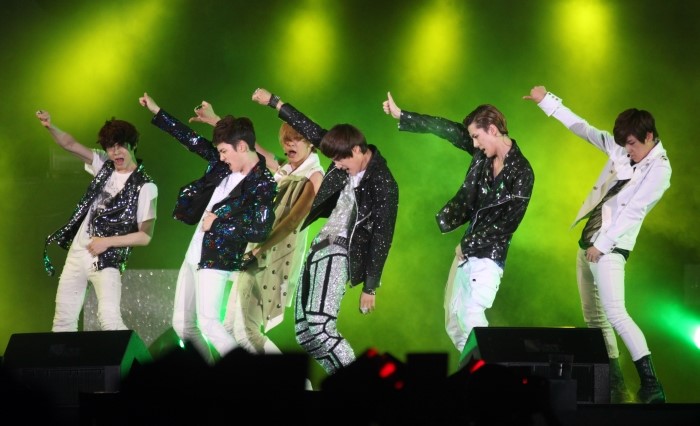
Calling K-pop a genre is technically incorrect but practically unavoidable. It’s more accurate to call it an industry system – a set of production, training, and marketing conventions developed in South Korea over the last 30 years that produces music spanning R&B, pop, hip-hop, EDM, rock, and basically any other genre depending on what a given group’s creative direction requires. What makes something K-pop isn’t the sound. It’s the infrastructure that produced it.
The foundations were laid in the 1990s by SM Entertainment’s Lee Soo-man, who codified what would become the idol system: intensive multi-year training programs for young performers covering dance, vocal technique, acting, and foreign language; managed group formations; synchronized choreography as equal to music in the product definition; and a direct-to-fan marketing approach that would look prophetic once social media arrived. H.O.T. and Seo Taiji and Boys in the early 90s set the template. TVXQ and Super Junior in the 2000s exported it to Japan and beyond. The third generation – BTS, EXO, BLACKPINK, TWICE – made it global.
The fan engagement model is what Western pop eventually started copying. K-pop fandoms (called “fandoms” in the Korean context too, often with official names like ARMY for BTS or Blinks for BLACKPINK) are organized, mobilized, and in constant direct contact with their artists through platforms like Weverse. The relationship between idol and fan is deliberately intimate and extensively managed – photo cards in album packages, fan meets, light stick cultures, streaming campaigns. The emotional investment is enormous and entirely intentional.
BTS returning this week with Arirang is the biggest K-pop event of the year so far, and it’s worth understanding in context: this is a group that made mandatory military service an international news story, that managed to maintain global fanbase loyalty across years of staggered absences, and that returned not with an algorithmically optimized comeback single but with a musically ambitious concept album named after a traditional Korean folk song. That last part is the most K-pop thing possible – the genre’s highest-level practitioners are always folding Korean cultural heritage into international pop forms.
Entry points depend on what you’re after. For the purest pop craft, TWICE’s catalog or aespa’s. For the ambition and range, BTS’s Map of the Soul: 7. For the ferocious performance energy, BLACKPINK’s concert films. For the new generation pushing the envelope, LE SSERAFIM and NewJeans represent the current state of the art.

The infrastructure point is real. I’ve pulled K-pop tracks into sets before and the production is almost always immaculate compressed perfectly for every speaker system. That’s not an accident, that’s a system.
Okay but can we talk about how K-pop basically figured out what zouk and kompa have known for decades that music is performance, presentation, COMMUNITY, not just sound?? The way fans organize around K-pop groups reminds me so much of the way kompa fandoms work in the Caribbean diaspora, this fierce loyalty and the music as identity. The industrialized part is different but that emotional connection? That’s universal. Love this piece!